
In recent years, much of the discussion surrounding the energy sector has focused on the growth of clean energy, electrification, and the expansion of power networks. However, the International Energy Agency’s (IEA) World Energy Investment 2026 report suggests that the global energy investment landscape is far more complex than a straightforward transition from fossil fuels to clean energy.
In 2026, oil, natural gas, and coal continue to attract a significant share of global energy investment. What has changed is the rationale behind these investments. Today, investment decisions in fossil fuels are influenced less by commodity prices alone and increasingly by concerns over energy security, supply diversification, and the mitigation of geopolitical risks.
In the oil sector, the IEA reports that investment is expected to decline for the third consecutive year. This trend, despite ongoing price volatility, indicates growing investor caution toward long-term oil projects. Extended project development timelines, supply-chain constraints, and uncertainty regarding future market conditions have made new upstream oil investments more challenging.
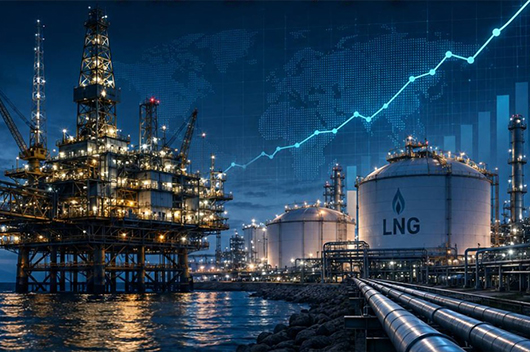
The outlook for natural gas, however, is markedly different. Investment in the sector is projected to reach its highest level in more than a decade. A key driver of this growth is the expansion of liquefied natural gas (LNG) projects, alongside countries’ efforts to diversify gas supply sources and import-export routes. Natural gas—particularly in the form of LNG—continues to play a critical role in the global energy security equation.
These developments suggest that the global energy market has entered a new phase—one in which clean energy continues to expand, while oil and gas remain integral components of energy security strategies. The central challenge is therefore no longer simply one of replacement; rather, it involves redesigning energy portfolios, reducing supply risks, developing more flexible infrastructure, and enhancing the resilience of energy systems.
The future of energy will not be defined by a single source, but by the ability to balance sustainability, affordability, security, and system resilience.