
The world is entering an era in which electricity is no longer merely one form of energy; it is increasingly becoming the backbone of modern economies, industries, and technological development. The rapid growth of electric vehicles, electrified heating and cooling systems, power-intensive industries, data centers, artificial intelligence, and the broader electrification of economic activities is reshaping global electricity demand.
In its Electricity 2026 report, the International Energy Agency (IEA) describes this transformation as the “Age of Electricity.” According to the report, global electricity demand is expected to grow by an average of 3.6% annually between 2026 and 2030—significantly faster than the pace observed over the previous decade. This shift encompasses not only rising consumption but also profound changes in generation technologies, transmission and distribution networks, system flexibility, and carbon intensity.
Electricity Demand: An Additional 5,400 TWh Within Five Years
The IEA estimates that global electricity consumption will increase from approximately 28,200 TWh in 2025 to around 33,600 TWh by 2030. This represents an increase of roughly 5,400 TWh within just five years.
Annual additions to global electricity demand are expected to average approximately 1,100 TWh, compared with around 700 TWh per year during the 2015–2025 period. In other words, the volume of new electricity demand entering power systems each year will be about 50% higher than the average recorded over the previous decade.
The Global Economy Is Becoming More Electrified
One of the report’s most significant findings is that electricity consumption is projected to grow at least 2.5 times faster than overall energy demand by 2030. This trend is driven by the electrification of transportation, the rapid deployment of electric vehicles, wider adoption of heat pumps and cooling systems, expansion of advanced manufacturing, and the growth of data centers and digital infrastructure.
In the future economy, access to reliable, competitive, and secure electricity may become as important for industrial competitiveness as access to raw materials, capital, and technology.
Emerging Economies Will Drive Demand Growth
The energy transition is not progressing at the same pace everywhere. According to the IEA, emerging and developing economies will account for approximately 80% of global electricity demand growth by 2030.
China will remain the largest contributor, representing nearly half of the increase in global electricity demand through the end of the decade. At the same time, India and Southeast Asian economies are expected to become increasingly important drivers of electricity consumption growth, reinforcing the need for investment in generation, transmission, storage, and smart-grid infrastructure throughout Asia.
By 2030, Half of Global Electricity Will Come from Renewables and Nuclear Energy
The IEA forecasts that the combined share of renewable and nuclear energy in global electricity generation will increase from approximately 42% in 2025 to 50% by 2030.
Solar power is expected to be the fastest-growing source of electricity generation. Global renewable generation is projected to expand by more than 1,000 TWh annually, with photovoltaic solar accounting for over 600 TWh of that increase. Solar PV generation is expected to surpass both wind and nuclear generation by 2026 and overtake hydropower by 2029.
As a result, solar energy’s share of global electricity generation is projected to rise from approximately 8% in 2025 to around 15% by 2030.
Solar and Wind Will Account for More Than One-Quarter of Global Electricity
The combined share of solar and wind power is expected to increase from approximately 17% of global generation in 2025 to around 27% by 2030.
While this represents a major step toward cleaner electricity systems, it also increases operational complexity. Future power systems will require greater attention to generation timing, geographic location, transmission capacity, energy storage, demand response, and overall grid flexibility.
Coal Declines but Remains Significant
The IEA expects that most of the increase in global electricity demand between 2026 and 2030 will be met by renewables, natural gas, and nuclear energy. Consequently, coal-fired generation is projected to decline gradually.
Coal’s share of global electricity generation is expected to decrease from approximately 34% in 2025 to 27% by 2030. Nevertheless, coal is likely to remain the single largest source of electricity generation worldwide by the end of the decade.
The New Bottleneck: Electricity Networks
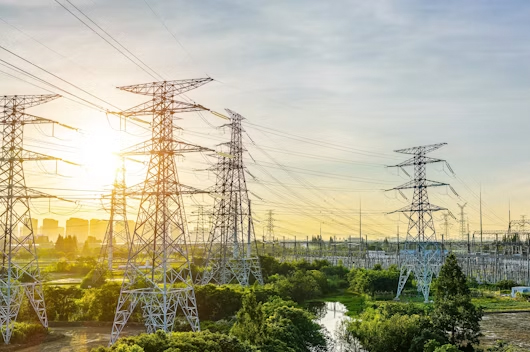
Perhaps the most important message of Electricity 2026 is that future challenges may not be primarily related to generation capacity. In many countries, electricity networks are becoming the key bottleneck.
More than 2,500 GW of projects—including renewable generation, energy storage, and large electricity consumers such as data centers—are currently waiting for grid connections. One major reason is the mismatch between project development timelines. While solar and wind facilities can often be built within one to five years, transmission infrastructure may require five to fifteen years for planning, permitting, and construction.
Global Grid Investment Must Reach Approximately $600 Billion Annually
To address network constraints, investment levels must rise substantially. The IEA estimates that annual global investment in electricity grids must increase from approximately $400 billion today to around $600 billion by 2030.
These investments will support not only new transmission lines but also digitalization, substation upgrades, smart-grid technologies, advanced power-control systems, and measures that increase network capacity and operational efficiency.
Storage and Flexibility Become Essential
As solar and wind penetration rises, installed generation capacity alone will no longer determine system adequacy. Power systems must be capable of balancing differences between production and consumption patterns.
Grid-scale batteries, demand-response programs, dispatchable generation resources, intelligent energy management systems, and stronger interconnections between regions will become increasingly important. In the Age of Electricity, value will be determined not only by how much electricity is produced but also by the ability to deliver it when and where it is needed.
Electricity Demand Rises While Carbon Emissions Stabilize
Although global electricity demand is expected to grow by an average of 3.6% annually through 2030, the IEA projects that power-sector CO₂ emissions will remain broadly stable.
The rapid expansion of renewable and nuclear generation is expected to offset much of the emissions growth that would otherwise accompany higher electricity consumption. Carbon intensity is projected to decline from approximately 435 gCO₂/kWh in 2025 to around 360 gCO₂/kWh by 2030.
What Does the Age of Electricity Mean for the Energy Industry?
The report highlights a fundamental transformation of the power sector. Future success will depend not only on adding generation capacity but also on developing transmission networks, storage systems, digital infrastructure, and demand-side management solutions in an integrated manner.
Solar and wind power will play increasingly important roles. Dispatchable generation will remain essential for reliability. Energy storage will become a core element of power-system architecture. Transmission infrastructure and grid assets will emerge as strategic resources critical to economic competitiveness.
At the same time, the rapid growth of data centers, artificial intelligence, electric vehicles, and electricity-intensive industries suggests that access to reliable and competitively priced electricity will increasingly influence the location of industrial and technological investment.
The competition of the future will not be defined solely by the ability to generate electricity, but by the ability to deliver clean, flexible, and reliable power precisely when and where economies need it.
Conclusion
The IEA’s Electricity 2026 report presents a clear vision of the global power sector through 2030. Electricity is becoming the backbone of a larger share of the world economy. Global demand is expected to reach approximately 33,600 TWh, while solar and wind together will provide more than one-quarter of global electricity generation. Renewables and nuclear energy will supply half of the world’s electricity, even as thousands of gigawatts of projects remain constrained by limited grid access.
The defining question for the future of the power sector is therefore not simply how much electricity can be generated, but how cleanly, flexibly, reliably, and efficiently that electricity can be delivered to support economic growth and technological advancement.